Music is more than just fun — it plays a powerful role in a child’s early development. From the very first lullabies to playful songs and simple instruments, music helps shape how young children think, feel, and learn. In recent years, researchers, educators, and pediatric experts have confirmed what many parents instinctively feel: music is not just an addition to childhood — it is an essential part of healthy development.
Music Supports Brain Development
Scientific studies show that music activates multiple areas of the brain at once. When a child listens to a song, claps along, or explores sounds, their brain is processing rhythm, language, movement, and emotions simultaneously. Research from institutions such as Harvard Medical School and MIT suggests that early exposure to music strengthens neural connections, especially in areas responsible for speech, coordination, and problem-solving. Brain imaging studies show that children who engage with music regularly build stronger and more efficient brain pathways, which supports learning later in life.
Music Helps with Language and Communication
Music is often described as a universal language, and for young children, it truly becomes one of their first ways of understanding the world. Studies from the University of Washington’s Institute for Learning & Brain Sciences have shown that musical play helps children develop sensitivity to sounds and speech patterns. Songs, rhymes, and repetition naturally support vocabulary growth and pronunciation. This is why children so quickly remember songs — and why music is such a powerful tool for learning first words, letters, and everyday expressions.
Music Strengthens Memory and Learning
Many parents notice that children remember songs far more easily than spoken information. This is not a coincidence. Music engages memory systems in a deeper way, helping children store and recall information more effectively. Research published in journals such as Frontiers in Psychology shows that rhythm and melody support long-term memory, making music a natural learning tool. This is especially helpful in early childhood, when children are learning patterns, sequences, and routines. Through music, learning becomes effortless and enjoyable rather than repetitive.
Music Encourages Thinking and Problem Solving
Music does more than entertain — it challenges the brain in meaningful ways. Listening to melodies, recognizing patterns, and interacting with sounds all contribute to developing early cognitive skills. Researchers have found connections between early musical experiences and improved abstract thinking, spatial reasoning, and even early math skills. Music gently introduces children to patterns, structure, and relationships, which are fundamental for later learning.
Movement, Coordination, and Motor Skills
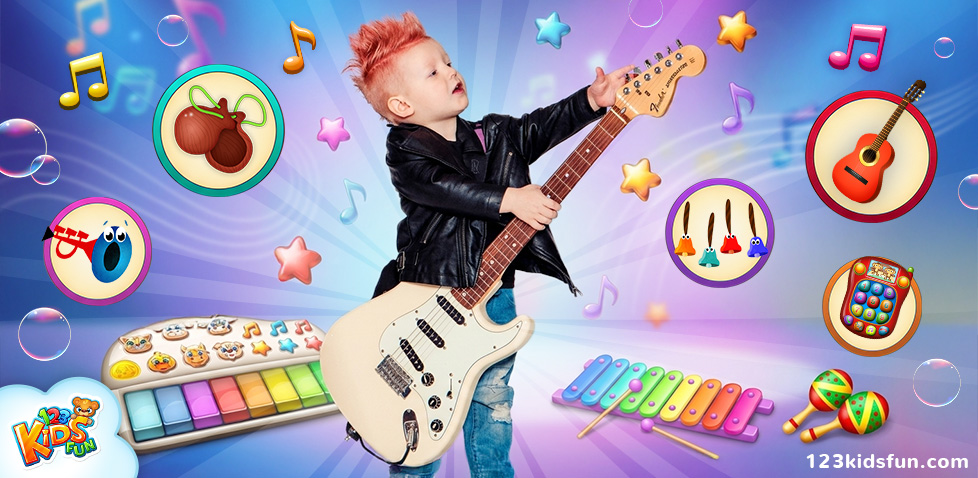
One of the most beautiful aspects of music is that it naturally invites movement. Children don’t just listen — they respond. They dance, clap, tap, and explore. These simple actions help develop coordination, balance, and both fine and gross motor skills. Playing with instruments, even very simple ones, strengthens hand-eye coordination and supports physical development in a joyful and engaging way.
Emotional Development and Self-Expression
Young children often feel more than they can express in words. Music gives them a safe and natural way to communicate those feelings. Through sound and rhythm, children can express joy, excitement, curiosity, or even frustration. According to the American Academy of Pediatrics, music can also support emotional regulation and reduce stress, helping children feel calmer and more secure.
Music Builds Connection
Music is rarely experienced alone. It brings people together — families, caregivers, and children. Singing together, dancing in the living room, or playing simple instruments creates shared moments that strengthen relationships. These experiences also help children develop social skills such as listening, cooperation, and confidence.
Why Music Matters from the Earliest Years
From the very beginning of life, children learn through sound. Even before they can speak, they listen, observe, and respond to the rhythms around them. Music supports this natural process. It helps children understand their environment, develop listening skills, and build curiosity about the world. What looks like simple play is actually deep, meaningful learning.
Learning Through Play – Music in Everyday Life
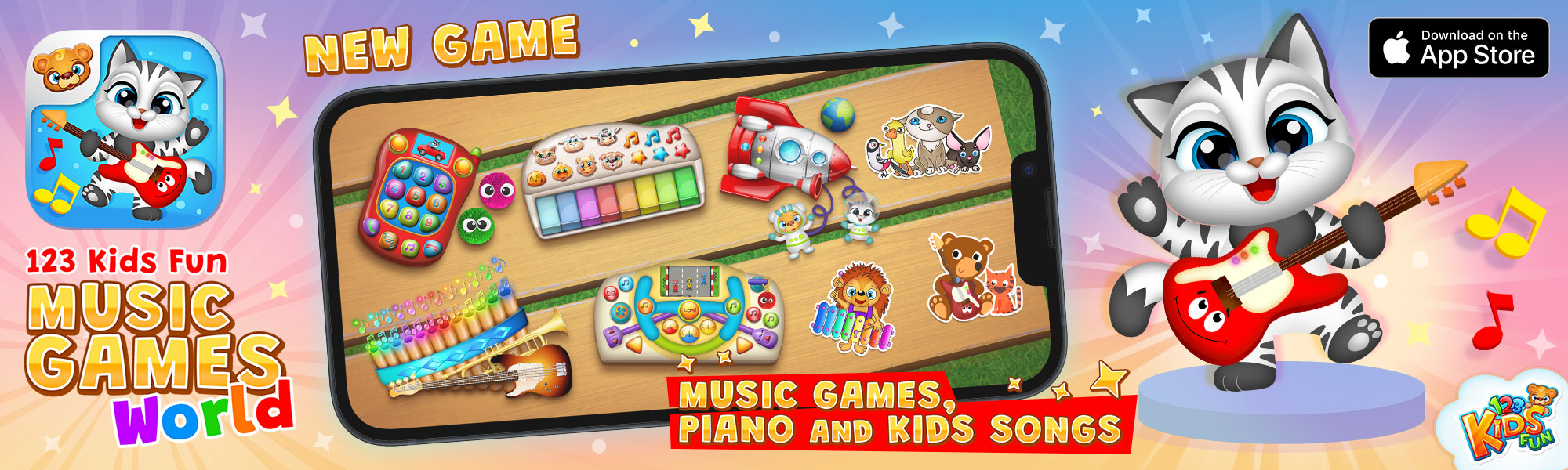
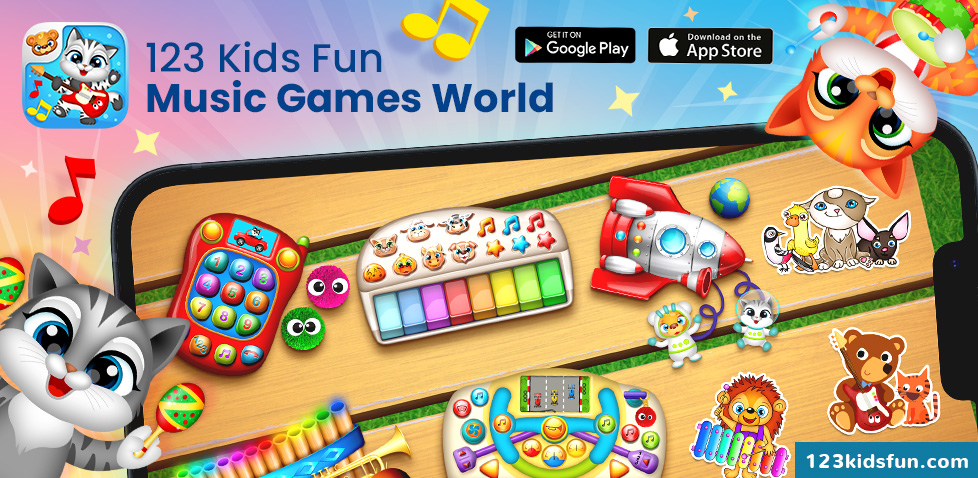
In today’s world, music can be part of everyday play in many different ways. Alongside traditional singing and instruments, interactive tools can make this experience even more engaging. That’s exactly why we created our own music experience for young children. It’s designed especially for toddlers and preschoolers to explore sounds, instruments, and playful audio interactions in a simple and intuitive way. Children can tap, listen, experiment, and discover music at their own pace, turning curiosity into creativity. The goal is not to teach music in a formal way, but to let children experience it naturally — through play, exploration, and joy. Because this is how young children learn best.
Recommended Books and Research (for Parents & Educators)
If you would like to explore the topic further, these well-known books and research sources offer valuable insights:
- “This Is Your Brain on Music” by Daniel J. Levitin,
- “Musicophilia” by Oliver Sacks,
- “The Whole-Brain Child” by Daniel J. Siegel.
You can also find extensive research from Harvard University, MIT, the University of Washington, and the American Academy of Pediatrics.
Sing, Listen and Enjoy – Music on Our YouTube Channel
Music becomes even more special when children can sing along and actively participate. That’s why we also created a collection of favorite English songs for kids on our YouTube channel. You’ll find well-known nursery rhymes such as The Wheels on the Bus, Five Little Monkeys, Muffin Man, Five Little Ducks, and One Little Finger. These songs are simple, engaging, and perfect for toddlers and preschoolers who are just beginning their journey with language and music. Singing along helps children develop rhythm, pronunciation, and confidence, while also creating joyful moments they can share with parents and caregivers. It’s a wonderful way to bring music into everyday routines — whether at home, in the car, or during playtime.
Final Thoughts
Music is not just entertainment. It is one of the most natural and powerful ways to support a child’s development. Through music, children build stronger brains, develop language and memory, improve coordination, express emotions, and connect with others. And most importantly — they do all of this through joy and play. And that may be the most powerful part of all.
123 Kids Fun Team – parents, educators, and creators who believe that children learn best through play, creativity, and joyful experiences.