


More Than Just a Game
With another World Cup approaching, millions of children around the world are dreaming about soccer. Some are imagining themselves scoring the winning goal in front of a packed stadium, while others simply can’t wait to put on their favorite jersey and play with friends after school. Watching that excitement always makes me think about something much bigger than any tournament, championship, or final score.
As a mother of two boys who have spent years training, competing, celebrating victories, and learning from defeats, I have come to believe that the greatest value of sports has very little to do with athletic success. The real gift lies in the lessons children learn along the way—lessons that quietly shape their character, influence the choices they make, and stay with them long after childhood has ended.
When parents first enroll a child in a sport, they usually hope it will provide exercise, healthy habits, and an opportunity to make friends. Those are certainly wonderful benefits, but over time many families discover that sports become something much more meaningful. Whether it’s soccer, hockey, swimming, basketball, gymnastics, baseball, or any other activity, sports have a remarkable way of teaching life lessons that are difficult to learn anywhere else.
The Value of Hard Work and Patience
One of the first things children discover through sports is that progress takes time. We live in a world where almost everything is available instantly. Information is only a click away, movies can be streamed in seconds, and many everyday conveniences encourage us to expect immediate results. Sports offer a very different experience. They teach children that meaningful improvement requires patience, persistence, and consistent effort.
A stronger shot, a faster lap, a better skating technique, or improved endurance doesn’t appear overnight. It develops through countless practices, repeated mistakes, and a willingness to keep going even when progress feels slow. Through this process, children begin to understand something that many adults spend years trying to learn: talent may open a door, but hard work is what keeps it open.
They learn that success is rarely accidental and that achieving a goal often depends less on natural ability than on showing up, working hard, and refusing to quit. These lessons extend far beyond sports. They become valuable in school, careers, relationships, and nearly every challenge life presents.
Learning to Handle Success and Failure
Perhaps even more importantly, sports teach children how to deal with disappointment. Every young athlete eventually experiences a difficult loss. They miss an important shot, make a costly mistake, lose a game they desperately wanted to win, or discover that someone else has been chosen for an opportunity they hoped would be theirs. As parents, these moments can be difficult to watch because our instinct is to protect our children from pain. We want to see them succeed, feel confident, and avoid heartbreak whenever possible. Yet some of the most important growth happens during those difficult moments.
Sports teach children that failure is not the end of the story. They learn that disappointment can be overcome, that mistakes are part of learning, and that setbacks often become opportunities for growth. When a child returns to practice after a tough loss, works harder after making a mistake, or finds the courage to try again after falling short, they are developing resilience. They are learning that success is not defined by never failing but by continuing to move forward despite failure.
These lessons become invaluable later in life when challenges inevitably appear in school, careers, relationships, and adulthood. The ability to keep going when things are difficult is one of the greatest gifts sports can offer.
The Friendships That Last a Lifetime
Another beautiful aspect of sports is the way they bring children together. In an age when so much interaction happens through screens, sports provide genuine human connection. Children learn how to communicate with teammates, support one another, solve problems together, and work toward a common goal. They discover that being part of a team requires empathy, cooperation, and respect. The friendships that emerge from these experiences are often among the strongest friendships of childhood. Years later, many adults struggle to remember the score of an important game, but they vividly remember the teammates who shared those experiences with them. They remember long car rides to tournaments, laughter in hotel hallways, nervous moments before competitions, and celebrations afterward. They remember the people who stood beside them during victories and encouraged them after defeats. Those relationships often become some of the most treasured memories of growing up and, in many cases, last well into adulthood.
Sports Teach Life Skills Beyond the Field
One of the biggest misconceptions about youth sports is that they only matter if a child reaches an elite level. As parents, it’s easy to become focused on rankings, statistics, scholarships, championships, or future opportunities. While those achievements can certainly be exciting, they are not what makes sports valuable. A child playing soccer for a local community club can learn exactly the same life lessons as a child competing on a national stage. The value of sports is not measured by trophies. It is measured by growth, character, confidence, and the experiences children gain along the way.
Sports teach children how to manage relationships with people who are different from themselves. They learn how to work with teammates who have different personalities, strengths, and backgrounds. They encounter coaches who challenge them, teammates who inspire them, and opponents who push them to improve. Through these interactions, children develop social skills that will serve them throughout their lives. They learn how to communicate effectively, resolve conflicts, accept constructive criticism, and contribute positively to a group. These are skills that employers, communities, and families value throughout adulthood.
What Sports Give Parents
As parents, we often talk about what sports give our children, but we rarely talk about what sports give us. The reality is that youth sports require significant sacrifices. There are early mornings, long drives, tournament weekends, equipment costs, schedule changes, and countless hours spent sitting on bleachers or standing along the sidelines. There are moments when we wonder whether all the effort is worth it.
Then, without warning, something happens that reminds us exactly why we keep showing up. A conversation in the car after practice. A smile after a difficult game. A friendship that changes a child’s life. A moment of growth that would never have happened otherwise. Over time, those sacrifices become memories, and those memories become some of the most cherished parts of parenthood.
Sports introduce us to people we might never have met. They create communities. They bring families together. Some of our closest friendships began in arenas, on soccer fields, or during long weekends spent traveling to tournaments. The shared experiences, challenges, victories, and disappointments create bonds that often last for years. Looking back, the things we remember most are rarely the scores. We remember the moments.
Our Family’s Journey
My husband and I have lived this journey for many years. Our older son, Robert, learned many of life’s most important lessons through sports. He learned discipline, responsibility, perseverance, teamwork, and confidence. He learned how to keep working when things became difficult and how to continue moving forward when success wasn’t guaranteed.
Then one day, something happened that I will never forget. Without any prompting, Robert came to us and thanked us for taking him to all those practices throughout the years. He wasn’t thanking us because he had become a professional athlete or because he had won every competition. He was thanking us because he had begun to recognize how much those experiences had shaped him into the person he was becoming. In that moment, every early morning, every long drive, every weekend tournament, and every sacrifice suddenly felt worthwhile.
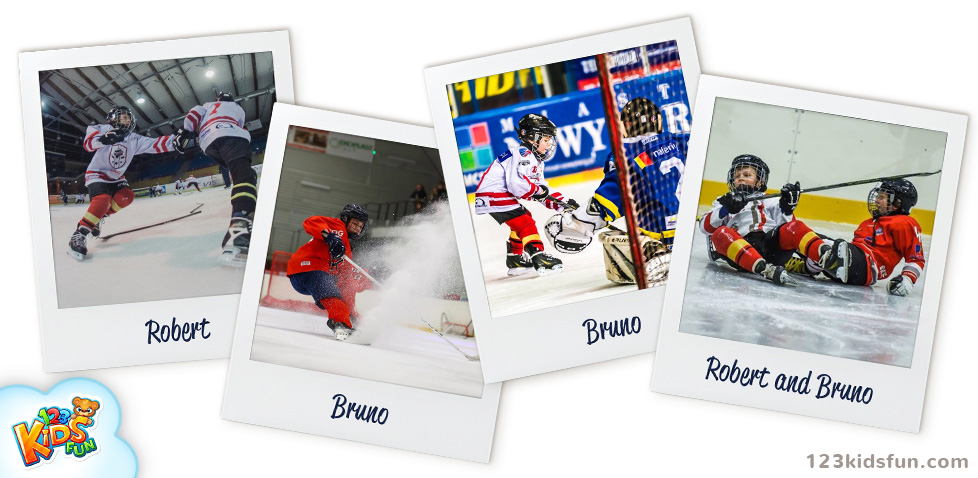
Our younger son, Bruno, currently plays ice hockey and, at least right now, cannot imagine doing anything else. Hockey is a huge part of his world. It challenges him, excites him, frustrates him, motivates him, and helps him grow as both an athlete and a person. Will he still be playing years from now? Perhaps. Perhaps not. The truth is that the answer doesn’t really matter. What matters are the memories we are creating together today.
We will remember the early mornings when the world was still asleep, the long drives to games, the excitement before tournaments, the victories that felt unforgettable, and even the defeats that brought tears. We will remember the laughter, the friendships, the lessons, and the countless moments shared as a family. Those experiences become part of our story, and no final score can ever measure their value.
Robert and Bruno during one of their early hockey seasons
The Greatest Trophy Isn’t a Trophy
When people ask whether youth sports are worth the time, money, and commitment, I think about everything they have given our family. I think about the confidence they have built in our children, the friendships they have created, the resilience they have developed, and the memories we have shared together. Most of all, I think about the people our children are becoming. At the end of the day, most children will never become professional athletes. Very few will lift championship trophies on national television. But every child who participates in sports has the opportunity to gain something far more important. They gain confidence, resilience, discipline, friendships, character, and a sense of belonging. They learn how to work hard, how to overcome challenges, and how to keep moving forward when life becomes difficult. Those are the lessons that last long after the final whistle blows. And perhaps that is the greatest victory sports can ever offer.
Explore the World Through Soccer
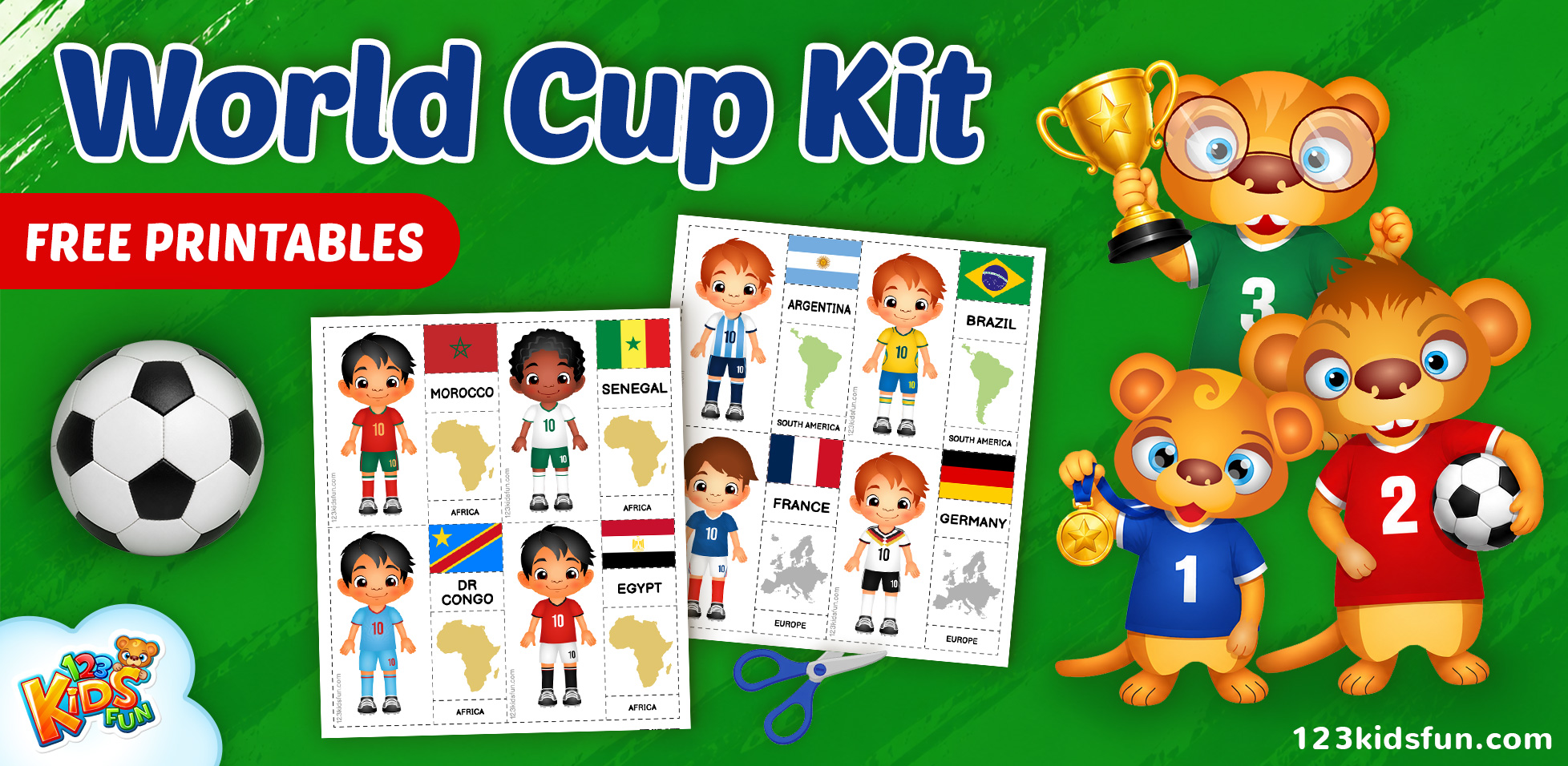
With the FIFA World Cup inspiring children around the world, we wanted to create something that combines the excitement of sports with the joy of learning. Our free World Cup printables help children discover countries, continents, flags, cultures, and geography while celebrating the world’s most popular sport. Through coloring pages, educational worksheets, and printable activities, children can learn where teams come from, recognize flags from around the globe, and explore different parts of the world in a fun and engaging way. Whether your child dreams of becoming the next soccer star, loves geography, or simply enjoys learning through play, these activities offer a wonderful opportunity to connect sports with education. Because sometimes a soccer ball is more than a game. Sometimes it’s the beginning of a lifelong curiosity about the world.
Explore our free World Cup printables and educational activities at 123kidsfun.com.
By Joanna, mom of Robert (18) and Bruno (14)